
How to Design a Self-Guided Walking Tour for the UK Early May Bank Holiday: Smart UK Bank Holiday Activities for Tourism Professionals
The Early May Bank Holiday (Monday, May 4 in 2026) creates a three-day tourism window that heritage sites, local councils, and tourism boards across the UK can capitalise on with minimal budget and maximum visitor engagement. This guide walks you through designing a browser-based self-guided walking tour that works without printed maps, dedicated guide apps, or app downloads — just a link your visitors open on their phones.
Whether you manage a cathedral city, a market town, a national park gateway, or a coastal resort, this step-by-step approach gives you three distinct tour formats, a worked case study, and the exact PlayTours game builder settings you need to launch before the May bank holiday weekend.
Table of Contents
- Why Browser-Based Tours Win for Bank Holidays
- Format 1: Heritage Trail (1.5-2 hours)
- Format 2: Family Discovery Walk (45-60 minutes)
- Format 3: Food and Drink Trail (2-3 hours)
- Step 1: Plan Your Route
- Step 2: Write Compelling Checkpoint Content
- Step 3: Set Up in the PlayTours Game Builder
- Step 4: Promote Before and During the Bank Holiday
- Step 5: Measure Impact and Iterate
- Case Study: Cotswolds Market Town Heritage Trail
- Your Next Bank Holiday: Spring Bank Holiday
Why Browser-Based Tours Win for Bank Holidays
Printed maps get lost, dedicated guide apps require downloads that kill impulse participation, and hiring human guides at scale is expensive. A browser-based self-guided tour solves all three: visitors open a link, join the game, and start walking. No app store, no login, no paper. The PlayTours platform runs entirely in a mobile browser and works offline once loaded, making it ideal for rural heritage trails with patchy signal.
Research from Predescu and Mocanu (2025) on digital self-guided tours in smart cities found that browser-based routing can reduce congestion at points of interest by distributing visitor flow across checkpoints, while maintaining higher engagement than static audio guides [1]. For UK bank holiday activities where visitor numbers spike unpredictably, this distributed flow is a practical advantage.
Format 1: Heritage Trail (1.5-2 hours)
Best for: Historic towns, cathedral cities, conservation areas, and sites with existing interpretation boards.
Duration
90-120 minutes for a route of 8-12 checkpoints. Visitors move at their own pace with no fixed start time.
Audience
History enthusiasts, cultural tourists aged 35+, international visitors, and local residents rediscovering their own town.
Sample Tasks
- GPS check-in (direction type): "Walk to the Market Cross. Stand where the medieval traders once sold their wool." Players see the location on a map and must be within 30 metres to check in.
- Multiple-choice: "The Market Cross was rebuilt in which year after the original was damaged in a storm? A) 1642 B) 1720 C) 1815 D) 1901"
- Photo (image type): "Photograph the carved stone face above the south door of the church. Zoom in — the detail tells a story."
- Object recognition: "Find the blue plaque on the wall of the Old Grammar School. Take a photo that includes the plaque and the street name sign."
- Text answer: "Read the inscription on the war memorial. What is the earliest year of death listed?"
Format 2: Family Discovery Walk (45-60 minutes)
Best for: Parks, waterfronts, town centres with family-friendly attractions, and locations near holiday accommodation.
Duration
45-60 minutes for a shorter route of 6-8 checkpoints. Designed to hold children's attention without exhausting younger legs.
Audience
Families with children aged 4-12, multi-generational groups, and school holiday visitors.
Sample Tasks
- Photo (image type): "Take a photo of your team making a silly face next to the duck pond sign."
- Multiple-choice (image options): "Which of these birds did you spot on the river? (shows photos of swan, mallard, coot, heron)"
- No-answer (informational): "Stop at the playground. Take a 5-minute break. The next clue is hidden near the big oak tree."
- Text answer (lenient): "Count the benches along the riverside path. How many are there? (Hint: look for the blue ones too)"
Key PlayTours settings for this format: Enable Shuffle Tasks on the chapter so families starting at different times don't crowd the same checkpoints. Set minPoints to 80% of total points so families can skip one or two tasks without getting stuck. Keep Must Complete in Order off — families with young children need flexibility to skip a checkpoint if a toddler is having a meltdown.
Format 3: Food and Drink Trail (2-3 hours)
Best for: Town centres with independent cafes, pubs, bakeries, and food markets. Particularly effective for bank holiday weekends when visitors are in a celebratory mood.
Duration
2-3 hours for 6-8 food and drink venues. Visitors can start anytime and take breaks between venues.
Audience
Foodies, couples, groups of friends, and visitors looking for a social, Instagrammable experience.
Sample Tasks
- Text answer: "Visit The Old Bakery on High Street. What flavour of scone is today's special?"
- Photo (image type): "Order a local ale at The King's Arms. Take a photo of your drink next to the pub's name on the glass."
- Multiple-choice: "The Riverside Cafe sources its coffee beans from which country? A) Colombia B) Kenya C) Brazil D) Ethiopia"
- Audio (audio type): "Record a 10-second clip of the street musician outside the market hall. Tag your location."
Monetisation angle: Participating venues can offer a discount code revealed upon task completion. Use PlayTours' Redirect URL feature to send players to a venue's booking page or special offer after they complete the food-related task.
Step 1: Plan Your Route
Start with a physical walk of your proposed route before building anything digitally. Note the natural walking path, pavement width, crossing points, and any sections where the route shares space with traffic. A good self-guided walking tour for UK bank holiday activities should feel safe and intuitive even when the town is busy.
Route planning checklist:
- Duration: 2-4 hours total including stops. Bank holiday visitors are in leisure mode — they want to linger, not race.
- Checkpoints: 8-12 for heritage/food formats, 6-8 for family formats. Fewer than 6 feels thin; more than 12 becomes exhausting.
- Walking distance: 2-4 km total for heritage trails, 1-2 km for family walks. Check that the route is pushchair and wheelchair accessible.
- Start and end points: Both should be near public transport, car parks, or tourist information points. A circular route is ideal so visitors return to their starting point.
- Rest stops: Ensure there are public benches, cafes, or green spaces at roughly every third checkpoint.
Common mistake to avoid: Designing a route that looks good on a map but has poor sightlines or feels unsafe. Walk it at the same time of day your visitors will — a charming alley at 11am can feel intimidating at 4pm in February.
Step 2: Write Compelling Checkpoint Content
Each checkpoint needs three elements: a hook, a task, and a payoff. The hook makes the visitor curious. The task gives them something to do. The payoff rewards them with knowledge, a view, or a sense of discovery.
Example — Hook: "This unassuming door on Church Lane has a secret. Look up at the keystone above the arch."
Task: "What animal is carved into the stone? (Text answer, ignore capitalisation)"
Payoff (completion message): "That's a Tudor rose — a symbol of the Tudor dynasty. This building was once the town's courthouse, built in 1523."
Write tasks that work for different learning styles: readers (text answers), observers (photo tasks), and social learners (group discussion before answering). Keep language warm and inviting — "Discover the story behind..." rather than "Identify the architectural feature at..."
Common mistake to avoid: Writing tasks that require specialist knowledge. A heritage trail should be enjoyable for a visitor who knows nothing about local history, not just for the local history society member.
Step 3: Set Up in the PlayTours Game Builder
PlayTours' game builder lets you create a complete self-guided tour in under an hour once your route and content are ready. Here is the recommended configuration for a bank holiday walking tour:
Game-Level Settings
- Game Title: "[Town Name] Early May Bank Holiday Heritage Trail"
- Game Text (Briefing): Welcome message with route length, estimated duration, what to bring (comfortable shoes, water, phone charger), and a note that the tour works offline.
- Global Time Limit: Off (bank holiday visitors should not feel rushed)
- Debrief (Ending Text): Congratulations message with a link to the town's what's-on page for the rest of the bank holiday weekend.
- Redirect URL: Link to a feedback form or a "book your next visit" page.
Chapter Structure
Use three chapters to create a natural narrative arc:
- Chapter 1 — Welcome (5 minutes): 1-2 no-answer tasks at the start point. Players check in, read the orientation information, and confirm they have the route map loaded. Must Complete in Order: On.
- Chapter 2 — The Trail (main content): All 8-12 checkpoint tasks. Shuffle Tasks: On (spreads visitors across the route). minPoints: Set to 80% of total so visitors can skip 1-2 tasks. Must Complete in Order: Off.
- Chapter 3 — Celebration (5 minutes): 1-2 tasks at the end point. A final photo task ("group selfie at the finish"), a multiple-choice quiz on what they learned, and the debrief screen with next-steps links.
Task Types to Use
Based on the PlayTours game builder feature reference, here are the most effective task types for a walking tour:
- direction — GPS check-in where the location IS shown on a map. Use for every checkpoint to guide visitors to the right spot. Set radius to 30-50 metres.
- text — Short answer questions. Enable "ignore capitalisation" and "extra lenient" for family-friendly marking.
- multiple-choice — Quick knowledge checks. Shuffle options so visitors cannot simply copy the order from another group.
- image — Photo capture tasks. Disable gallery uploads so visitors must take a fresh photo at the location.
- object-recognition — AI-validated photo tasks. Specify the object clearly (e.g., "blue plaque with text", "carved stone animal").
- no-answer — Informational stops, rest points, or orientation markers.
Offline Mode
PlayTours games load in the browser and cache content for offline use. Advise visitors in the briefing to load the tour while they have WiFi (at the tourist information centre or their accommodation) before heading out. GPS continues to work offline on most modern phones.
Common mistake to avoid: Setting Must Complete in Order on the main trail chapter. Bank holiday visitors arrive at different times and move at different paces — forcing sequential completion creates bottlenecks and frustration.
Step 4: Promote Before and During the Bank Holiday
A well-designed tour is useless if nobody knows it exists. Start promotion at least two weeks before the Early May Bank Holiday (so from Monday, April 20, 2026).
Promotion channels:
- Your website: A dedicated page with the tour link, a map preview, and a "how it works" explainer. Include the link in the header banner during the bank holiday period.
- Social media: Short video walkthroughs of the first two checkpoints. Instagram and TikTok Reels showing the photo tasks work particularly well for family and food trails.
- Local hotels and B&Bs: Provide a printed card with a QR code that links directly to the tour. Guests arriving on Friday or Saturday can do the tour on Sunday or Monday.
- Tourist information centres: A poster with the QR code at the counter. Staff can verbally recommend the tour to walk-in visitors.
- QR codes at the start point: A weatherproof sign at the trail start point (e.g., the Market Square or the train station exit) with the QR code and a one-line invitation.
- Partner venues: For the Food and Drink Trail, each participating venue displays a small card with the QR code. Visitors discover the trail while already inside a venue.
Common mistake to avoid: Only promoting on your own channels. Partner with the local tourism board, the Business Improvement District (BID), and neighbouring attractions. A shared promotion amplifies reach without additional cost.
Step 5: Measure Impact and Iterate
One of the strongest advantages of a browser-based tour over a printed map is the data it generates. The PlayTours facilitator dashboard gives you real-time and post-event analytics.
Metrics to track:
- Total players: How many people started the tour. Compare against footfall estimates for the bank holiday weekend.
- Completion rate: What percentage of starters finished all chapters. A rate below 40% suggests the route is too long or the tasks are too hard.
- Popular stops: Which checkpoints had the highest engagement (time spent, photo submissions). These are candidates for deeper interpretation content in future versions.
- Drop-off points: Where did players stop progressing? If 60% of players drop off between checkpoint 6 and 7, that section of the route needs attention — perhaps a rest stop or a more engaging task.
- Feedback: Use the debrief screen to include a link to a short survey. Ask: "How did you hear about this tour?" and "Would you recommend it to a friend?"
Use the data to refine the tour for the next bank holiday. The Spring Bank Holiday (Monday, May 25 in 2026) is only three weeks after the Early May Bank Holiday — a perfect opportunity to launch an improved version.
Common mistake to avoid: Collecting data but not acting on it. Schedule a 30-minute review session the week after the bank holiday to review the analytics and make at least three changes before the next holiday.
Case Study: Cotswolds Market Town Heritage Trail
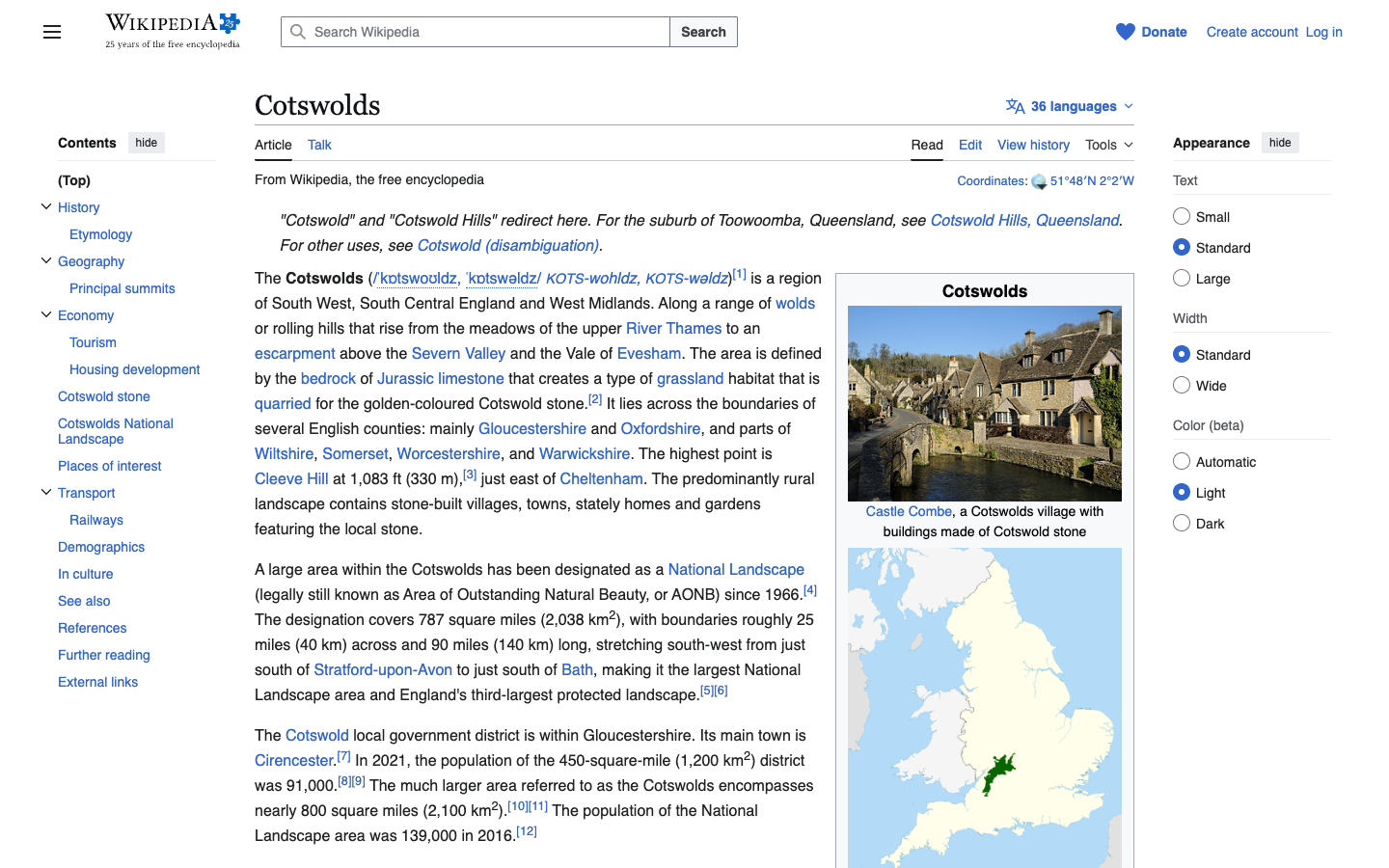
A market town in the Cotswolds (population 8,000, receiving approximately 15,000 bank holiday visitors) launched a browser-based heritage trail for the 2025 Early May Bank Holiday. The trail used 10 checkpoints across a 3 km circular route with an estimated duration of 2 hours.
Checkpoints
- Market Square (Start): No-answer task — orientation and welcome. GPS check-in confirms the visitor is at the correct starting point.
- Parish Church (12th century): Text task — "What is the name of the saint depicted in the east window?" Answer accepted with ignore-capitalisation and extra-lenient matching.
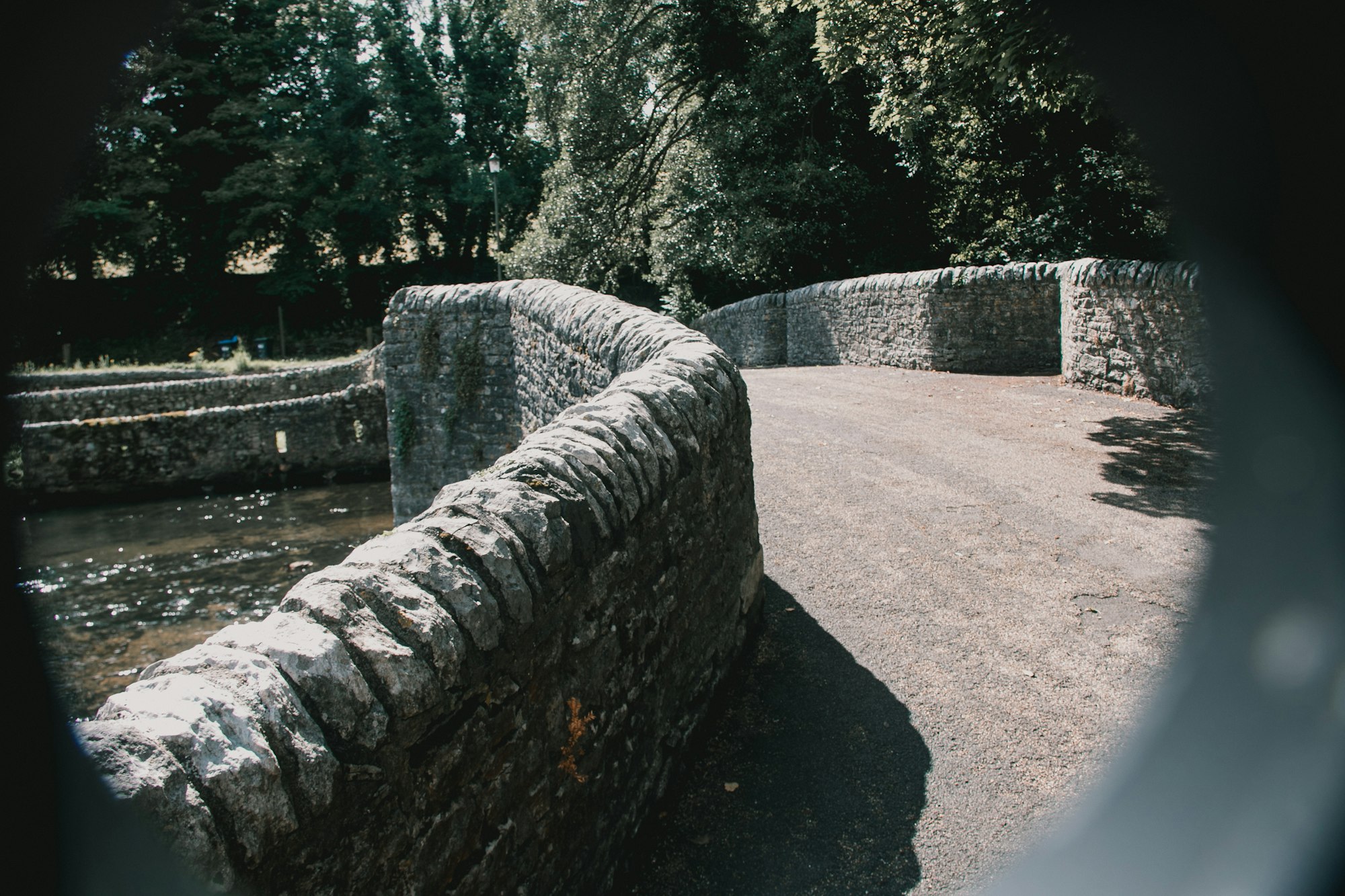
- Old Bridge (medieval): Photo task — "Photograph the bridge from the riverside path. Make sure the arch is visible."
- Riverside Path: Multiple-choice — "The river was used to power which industry in the 18th century? A) Woollen mills B) Iron forges C) Paper mills D) Breweries"
- High Street (Georgian architecture): Object recognition — "Find the red telephone box that has been repurposed as a book swap. Take a photo showing the books inside."
- Almshouses (17th century): Text task — "Count the chimneys on the almshouse roof. How many are there?"
- Old Grammar School (Tudor): Multiple-choice — "The school was founded in 1560 by which local merchant? A) Thomas Smythe B) William Canynge C) John Leland D) Richard Whittington"
- Town Hall (Victorian): Photo task — "Take a photo of your team pretending to give a speech from the town hall steps."
- Heritage Centre: Text task — "What year was the town's charter granted? (Hint: look for the display board near the entrance)"
- Market Square (End): No-answer task — "Congratulations! You've completed the trail. Scan the QR code at the tourist information desk to claim a 10% discount at the Museum Cafe."
Results
- 420 players over the three-day bank holiday weekend
- 68% completion rate (above the 50% benchmark for self-guided trails)
- Average time on trail: 1 hour 52 minutes (close to the estimated 2 hours)
- Highest engagement at checkpoints 2 (Parish Church) and 5 (High Street book swap)
- Drop-off concentrated between checkpoints 7 and 8 — the route passed through a less interesting residential section
- 92% of surveyed visitors said they would recommend the trail to others
The town council used the data to reroute the section between checkpoints 7 and 8 via a small park with interpretation panels, and relaunched the trail for the Spring Bank Holiday with a 74% completion rate.
Your Next Bank Holiday: Spring Bank Holiday
The Early May Bank Holiday is just the beginning. The Spring Bank Holiday (Monday, May 25, 2026) follows three weeks later, and the Late Summer Bank Holiday (Monday, August 31) gives you a full season of UK bank holiday activities to build on. Each iteration improves based on the data you collected from the previous one.
Start with one format that matches your location's strengths — a Heritage Trail for historic towns, a Family Discovery Walk for parks and family destinations, or a Food and Drink Trail for town centres with a strong hospitality scene. Once you have proven the concept, add the other formats for subsequent bank holidays.
For a deeper look at how to evaluate the technology behind your self-guided tour, read our guide on how to choose a self-guided tour app for your tourism business — it covers the five criteria every tourism operator should consider before committing to a platform.