
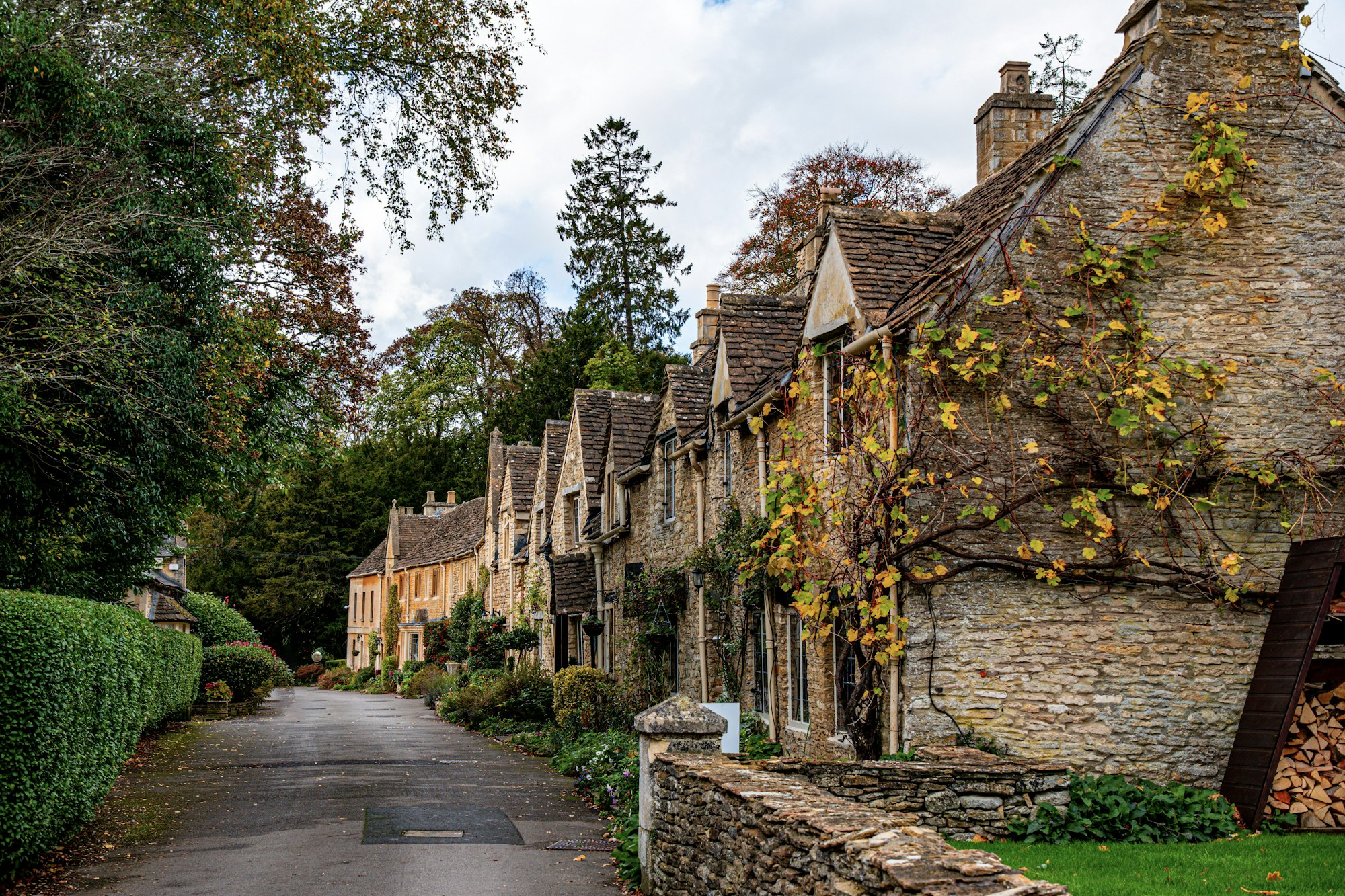
The UK Spring Bank Holiday creates high foot traffic and short decision windows. Visitors want something easy to join, local businesses want measurable uplift, and organizers need a format that still works if the weather turns.
A browser-based self-guided trail can meet all three goals when the route is simple, task design is light, and business stops are intentional.
What makes a bank holiday trail effective
- Quick entry: one QR or link, no download barrier.
- Scannable route: 5-8 stops max for casual weekend visitors.
- Business intent: each stop has a reason to pause and spend.
- Weather resilience: indoor alternatives prepared in advance.
Five route formats you can adapt fast
1) Historic town centre loop
Best for: market towns and compact high streets.
Structure: intro stop, 4 landmark tasks, 2 partner-business tasks, final cafe checkpoint.
Rain fallback: swap one outdoor photo task for an indoor plaque/trivia task in museum, library, or covered arcade.
2) Coastal discovery path
Best for: promenades and short seaside trails.
Structure: linear route with 6 stops, mostly directional tasks and two image checkpoints.
Rain fallback: reduce route length and move finish to indoor venue partner.
3) Responsible pub-and-culture trail
Best for: adult social groups and reunion weekends.
Structure: ordered route, short trivia/photo tasks, clear pacing guidance.
Rain fallback: keep route but shorten inter-stop walking distance.
4) Family park nature trail
Best for: parks, estates, and family-heavy zones.
Structure: 6 child-friendly stops using image and simple text tasks.
Rain fallback: add two sheltered checkpoints (visitor centre, glasshouse, cafe).
5) Street art and mural walk
Best for: urban creative districts.
Structure: 6 stops with image matching and one gallery/business partner task.
Rain fallback: keep only murals with nearby canopy or indoor alternatives.
Settings that improve completion rate
- Self-paced mode: better for weekend behavior than hard countdowns.
- Task text under 45 words: easier mobile reading while walking.
- Fresh photo upload: keeps participation authentic.
- Flexible order for dense areas: reduces crowding at one hotspot.
How to design for local business impact
- Give each partner stop one clear action: scan, answer, or photo.
- Add an optional micro-offer at selected stops (drink add-on, dessert upgrade, souvenir stamp).
- Use debrief page to list all partner venues in one place.
- Track which stop types create longest dwell time and repeat those patterns.
Promotion checklist for the long weekend
- 48-72 hours before: publish QR flyer at station, tourist info, and partner shops.
- Day before: post route teaser and start-point map on local socials.
- During event: share lightweight live update (participants, photos, top completed stops).
- After event: publish recap with local business shout-outs and next route date.
Core metrics to review
- Start-to-finish completion rate.
- Average session duration.
- Most visited partner stops.
- Drop-off point by stop number.
These four metrics are enough to improve the next holiday route without overcomplicating analytics.
Conclusion
For Spring Bank Holiday, the best trail is not the longest one. It is the one visitors can join instantly, finish comfortably, and remember positively. Pick one route format, prepare rain fallback options, and optimize for local business stops that feel natural. That gives you better participation and stronger repeat demand across future holiday weekends.