
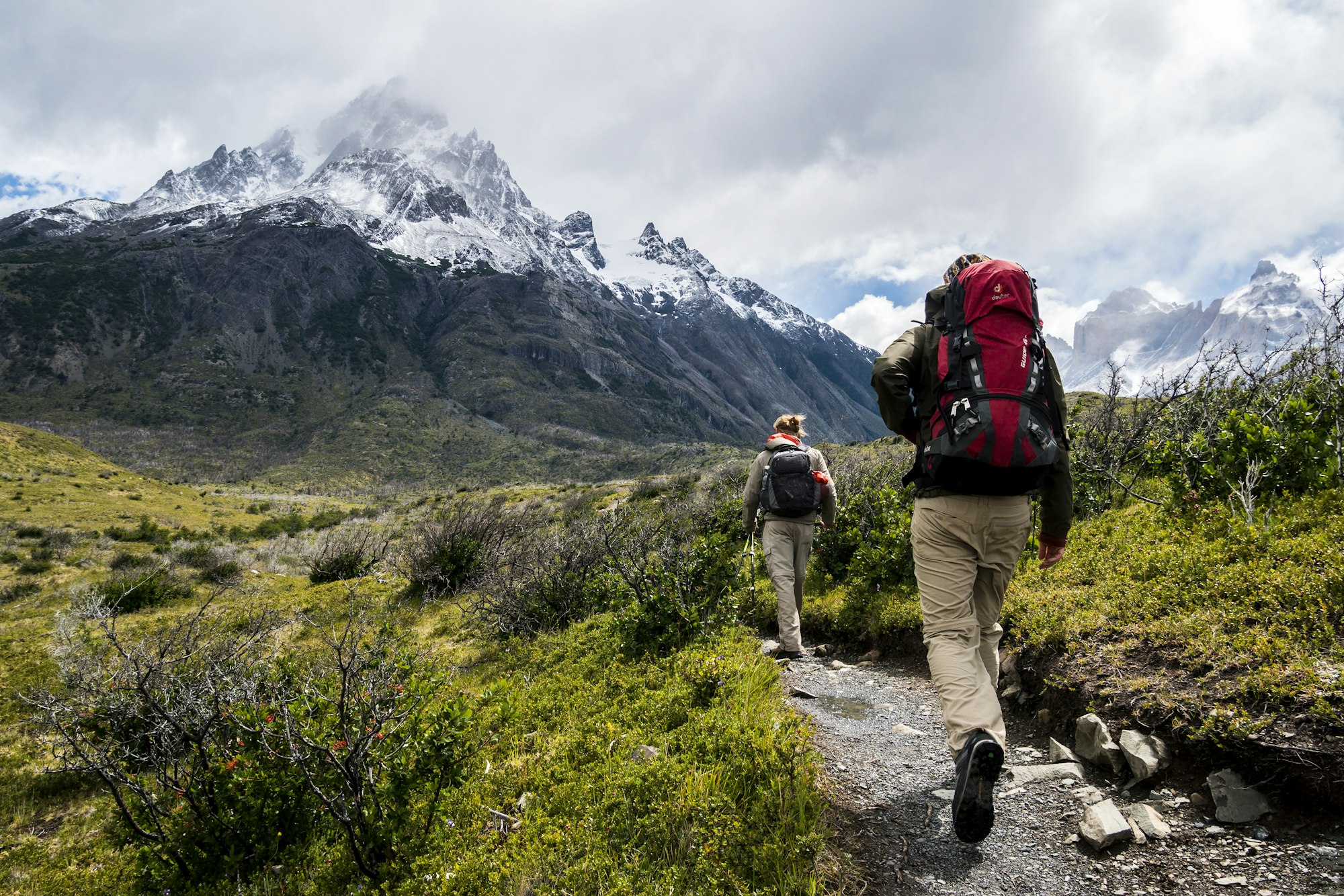
National Trails Day is one of the easiest moments to bring new people onto local trails, but many organizers still run into the same issue: too much setup before the experience even starts. A browser-based GPS scavenger hunt solves that problem. People open one link, follow checkpoints, and submit photos or answers without installing anything.
This guide gives you a practical 8-stop template you can launch fast, plus the GPS settings and operations checklist that keep the day smooth.
Why this format works
- Low friction: no app install, no account setup at the trailhead.
- Better engagement: checkpoints make hikers observe, not just pass through.
- Flexible difficulty: the same structure works for family loops or longer hikes.
- Useful data: completion rates and stop-level drop-offs show what to improve.
Lean 8-stop trail template
Use a 60-90 minute route with clear landmarks. Keep task instructions short so people spend time outdoors, not reading their screen.
Chapter 1: Start and orientation
- Welcome stop (no-answer): route length, safety notes, estimated duration.
- Trail landmark (image): first photo checkpoint to confirm everyone can submit.
Chapter 2: Discovery section
- Tree or geology stop (text): one observable fact (measurement, marker number, or species clue).
- Scenic point (image): panoramic photo challenge.
- Wildlife sign (multiple choice): one short educational question.
Chapter 3: Return and reflection
- Water crossing or habitat stop (image): feature-focused photo.
- Quiet bench stop (free text): one-sentence reflection.
- Finish stop (free text): favorite moment + optional social hashtag.
GPS settings that reduce support requests
- Open areas: 15-25m radius.
- Forest canopy: 30-50m radius.
- Narrow valleys / cliffs: 50-80m radius.
- Use hidden location tasks for exact checkpoints.
- Use directional tasks when navigation is part of the challenge.
Pre-walk every checkpoint once on a typical phone. If a stop triggers inconsistently, widen radius slightly or move the marker a few meters.
Day-of operations checklist
- Stagger starts: 10-15 minute windows for larger groups.
- 2-minute trailhead briefing: stay on marked trail, how GPS triggers work, what to do if a stop does not unlock.
- Sweep support: one or two volunteers after final start window.
- Offline plan: ask players to open the game link at the start area where signal is strongest.
- Hydration and weather reminders: include in intro task and signage.
Simple build settings in PlayTours
- Keep game self-paced (no global timer unless needed).
- Use fresh-photo requirement on image tasks.
- Allow flexible answer matching on measurement text tasks.
- Keep chapter order logical but avoid unnecessary locking.
What to measure after the event
- Completion rate by team type (families, clubs, students).
- Stops with highest drop-off or longest dwell time.
- Most submitted photo stop (good signal for future marketing).
- Common support questions to fix in pre-brief.
Use those signals to tighten the next edition instead of adding more complexity. Most trails improve more from better flow than from more stops.
Conclusion
A National Trails Day scavenger hunt works best when setup is fast, instructions are clear, and checkpoints feel meaningful. Start with this 8-stop structure, test GPS radius on-site, and run a clean operational plan. That combination gives participants a memorable trail experience and gives organizers repeatable results.
Ready to launch? Build the route once, test it with a pilot group, then publish your public game link for National Trails Day weekend.