
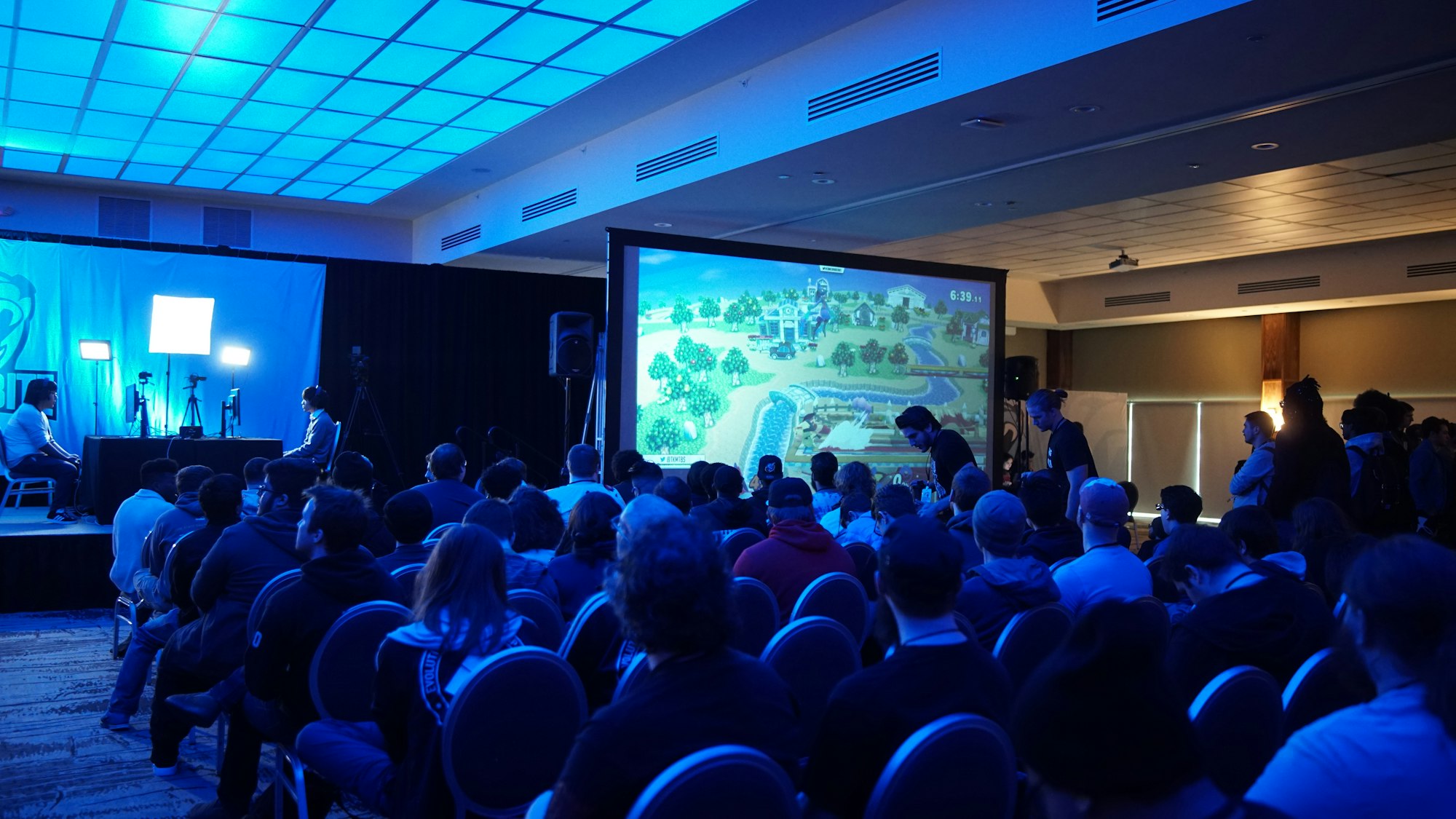
Choosing the right event gamification app can feel overwhelming when every event platform claims to offer gamification features, but most treat it as a checkbox add-on rather than a core capability. The market is crowded with options like Eventee, EventLeaf, Whova, Guidebook, EventMobi, CrowdComms, Actionbound, and PlayTours — each taking a different approach to what "gamification" actually means. This guide breaks down five essential criteria to help you evaluate platforms based on what actually drives engagement at your events, whether you are planning a conference, festival, corporate gathering, university orientation, or hybrid experience.
The 5 criteria:
- Is Gamification Built-In or Bolted On?
- Can You Create Custom Challenges or Only Use Templates?
- Does It Work for In-Person, Virtual, and Hybrid Events?
- How Does It Handle Scoring and Leaderboards?
- What Kind of Event Data Does It Capture?
1. Is Gamification Built-In or Bolted On?
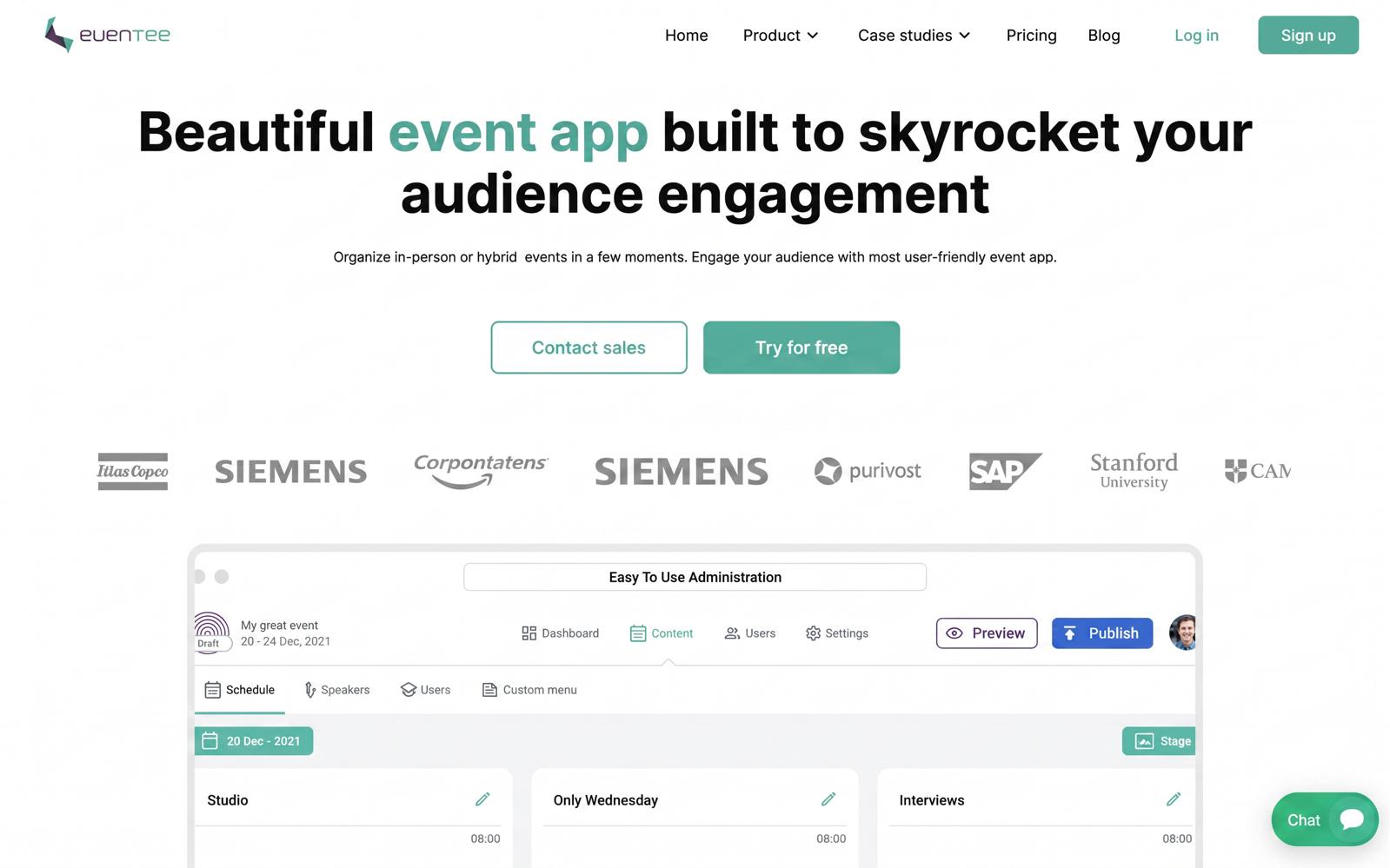
This is the single most important question to ask, and it determines everything else about your experience with the platform. Many event management platforms like Eventee, EventLeaf, and Whova offer gamification as a feature module added to their core agenda, registration, and session management tools. When gamification is bolted on, you typically get basic polling, Q&A voting, and a leaderboard that shows session attendance rather than actual challenge completion. The mechanics feel shallow because the platform was designed for scheduling first and engagement second.
What to look for: A dedicated game builder with multiple challenge types (photo, video, text, GPS, QR code), configurable scoring logic, real-time leaderboards, and the ability to design multi-chapter game flows. The platform should let you create scavenger hunts, trivia challenges, photo contests, and location-based check-ins from a single editor, not stitch together separate modules from different parts of the platform.
Red flag: Gamification is listed as a single feature bullet point alongside "live polling" and "Q&A." If the platform cannot show you a dedicated game creation interface during a demo, the gamification is likely an afterthought that was added to check a competitive box.
Platforms like PlayTours and Actionbound were built gamification-first from the ground up. PlayTours offers 30+ task types including photo uploads, video submissions, GPS check-ins, QR code scanning, multiple-choice quizzes, word searches, jigsaw puzzles, combination locks, audio recordings, and fill-in-the-blank challenges — all within a single game builder interface. Actionbound similarly provides multimedia challenges with GPS-based location tasks and digital scavenger hunts designed specifically for tourism and education use cases.
In contrast, EventMobi and Whova offer gamification features like polls, leaderboards, and badges, but these operate within the constraints of their session-management architecture. EventMobi's gamification module focuses on rewarding attendees for attending sessions, visiting exhibitor booths, and participating in live polls — useful metrics, but a far cry from the depth of a purpose-built gamification engine. Eventee's platform centers on networking and agenda management, with gamification limited to point-based attendance tracking and basic leaderboards.
The distinction matters because bolted-on gamification limits what you can design. If your event needs a GPS-based treasure hunt across a conference venue, a photo challenge that requires AI validation of submissions, or a multi-chapter narrative game where teams progress through stages, a bolted-on solution will force you to compromise your vision. A gamification-native platform gives you the full creative toolkit from day one.
2. Can You Create Custom Challenges or Only Use Templates?
Every event has unique goals. A sales kickoff needs competitive team challenges that reinforce product knowledge through custom trivia and roleplay scenarios. A university orientation needs icebreaker activities that help students explore campus landmarks with photo check-ins. A music festival needs photo-based social sharing tasks that generate user-generated content for social media. A corporate training session needs judged video submissions where facilitators review and score participant presentations. If the platform only offers pre-built templates with no customisation, you will end up forcing your event into someone else's idea of engagement.
What to look for: Custom task creation with multimedia submissions (photo, video, text, audio), branching logic for choose-your-own-adventure style games, timed challenges with configurable countdowns, scoring rules you define per task (not just flat points), and the ability to set chapter-based progression where teams unlock new content as they advance. The platform should let you write your own challenge instructions, set your own correct answers (with multiple accepted variants), design your own point systems, and configure hints, penalties, and skip options per task.
Red flag: The platform only offers pre-built templates with no ability to create your own challenges from scratch. If every game on the platform looks structurally identical, your event will feel generic and attendees will notice the lack of originality.
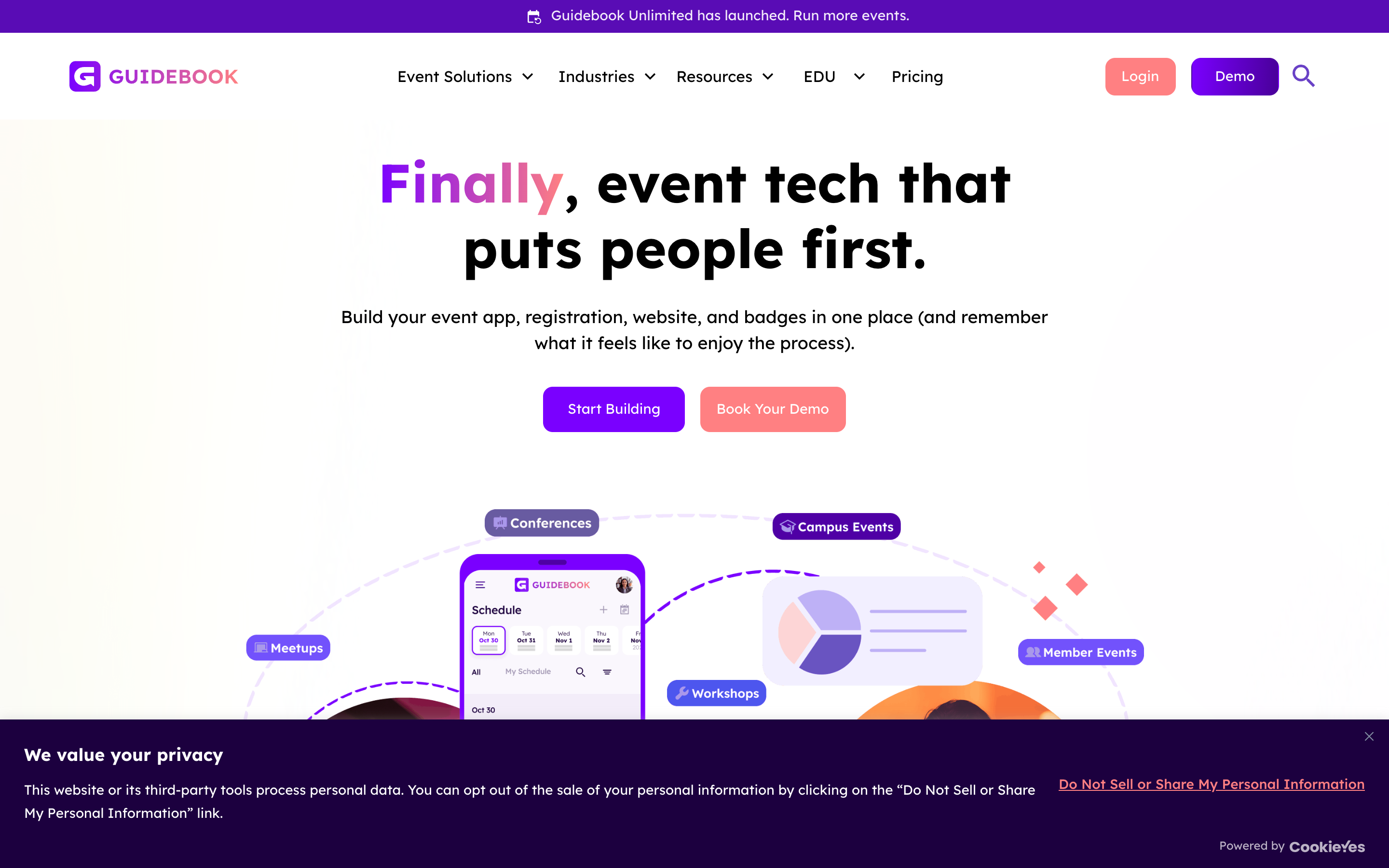
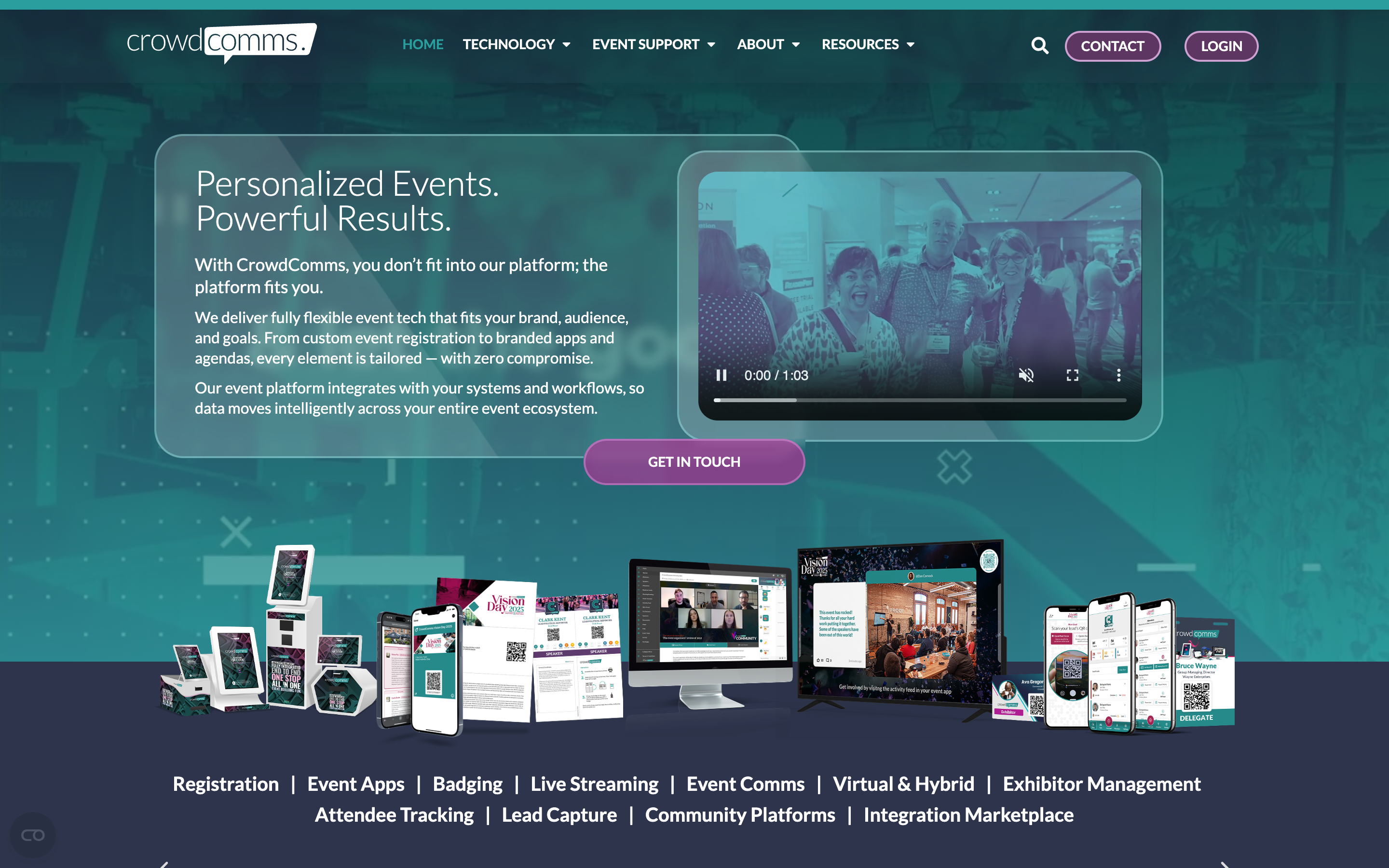
Guidebook offers a "Scavenger Hunt" template within its event app builder, but customisation is limited to adding text-based clues and basic check-in locations. You cannot add photo submissions, video tasks, or custom scoring logic. CrowdComms provides engagement features like live polling and Q&A but does not offer a dedicated custom challenge builder at all — gamification is limited to session-level interactions. EventLeaf's gamification features focus on attendance-based leaderboards and badge rewards, with no support for custom challenge creation.
PlayTours, by contrast, lets you create fully custom tasks with your own text, accepted answers (including multiple correct variants), point values, time limits, hints with coin-based purchase systems, penalties for wrong answers, and conditional visibility rules that unlock tasks only when certain conditions are met. You can design linear progression (complete tasks in order), free-roam scavenger hunts, or branching story modes where different answers route teams to different chapters. Actionbound also supports custom content creation with multimedia challenges, though its task type variety is narrower than PlayTours' 30+ options.
3. Does It Work for In-Person, Virtual, and Hybrid Events?
The post-2024 event landscape is permanently hybrid. Even in-person events now have remote attendees watching livestreams, on-demand content available for weeks after the event, and asynchronous participation windows for global audiences across different time zones. A gamification platform that only works in one format forces you to run separate engagement strategies for different audiences, which fragments the experience and doubles your workload. Your attendees expect a unified experience regardless of how they participate.
What to look for: GPS-based challenges for in-person location verification at physical venues, video and photo submission tasks that virtual attendees can complete from anywhere, mixed-mode support where in-person and remote participants compete on the same unified leaderboard, and tasks that work equally well on mobile browsers without requiring an app download. The platform should also support time-restricted tasks that activate only during specific windows, which is useful for synchronous hybrid sessions.
Red flag: The platform only supports one event format. If it is in-person only, your virtual attendees are completely excluded from engagement activities. If it is virtual only, you cannot use it for on-site engagement at physical venues. Some platforms claim hybrid support but actually run two separate experiences that do not interact.
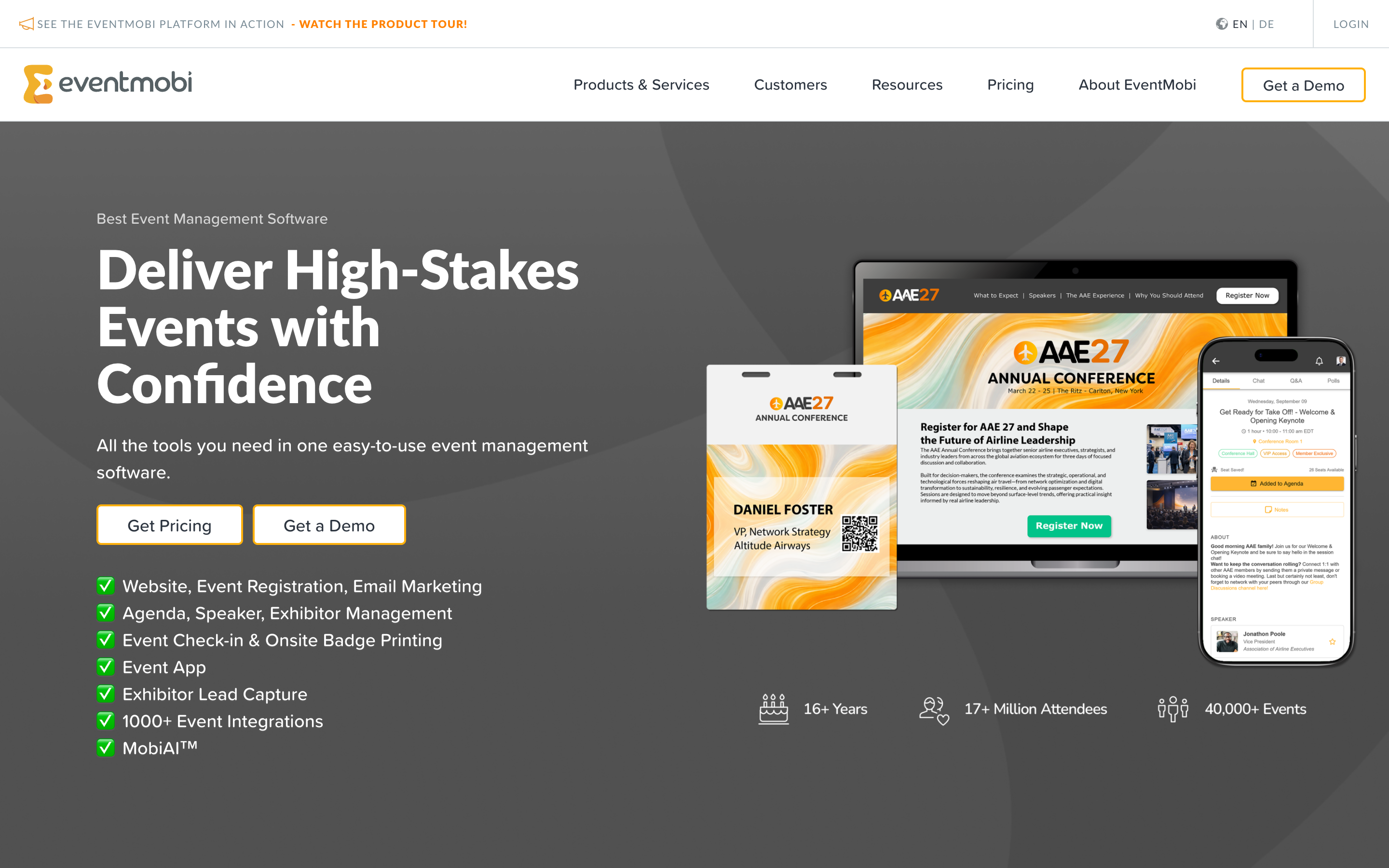
EventMobi and Whova both support hybrid events through their core platforms, but their gamification features are primarily designed for in-person sessions with live polling and Q&A. Virtual attendees can participate in polls and Q&A, but they cannot complete location-based challenges or photo tasks tied to physical venues. Actionbound supports GPS-based outdoor hunts but is less suited for virtual-only audiences since its core mechanic is location-based check-ins. CrowdComms offers virtual and hybrid event platforms with engagement features, but gamification is limited to session-level interactions rather than standalone challenge-based games.
When evaluating hybrid support, ask the vendor to show you a live demo where in-person and virtual participants are competing on the same leaderboard simultaneously. If they cannot demonstrate this, the hybrid support is likely two separate experiences running in parallel rather than a unified gamification engine. The best platforms in this category let participants join through a browser link with no app download required, which removes the single biggest adoption barrier for attendee engagement tools across all formats.
4. How Does It Handle Scoring and Leaderboards?
Competition is the engine that drives gamification engagement. But not all competition is created equal, and the wrong scoring system can actually demotivate participants. Transparent, real-time scoring keeps participants motivated throughout the event because they can see their progress and adjust their strategy. Opaque or delayed scoring deflates engagement because participants have no feedback loop to tell them whether their efforts are paying off. The scoring system also needs to handle edge cases gracefully: tiebreakers when multiple teams finish with the same score, team versus individual competition modes, penalty rules for wrong answers that discourage random guessing, and time-based scoring that rewards speed without sacrificing accuracy.
What to look for: Custom scoring rules per task (not just flat points assigned to every challenge equally), real-time leaderboards that update instantly as submissions are validated, team and individual competition modes that can run simultaneously, configurable tiebreaker logic (first to reach the score wins, or most bonus tasks completed), points penalties for wrong answers or skipped tasks, time bonuses for fast completion, and the ability to hide or show leaderboard rankings depending on your event's tone. For non-competitive events, the platform should let you disable the leaderboard entirely.
Red flag: Scoring is only available after the event ends in a post-event report. If participants cannot see their rank or progress during the event, the competitive motivation that drives gamification engagement disappears entirely. Also watch for platforms that only show participation counts rather than actual competitive rankings.
Eventee and EventLeaf provide basic leaderboards based on session attendance and poll participation, but do not offer per-task scoring customisation or real-time updates during challenges. Whova's leaderboard tracks session attendance, exhibitor visits, and poll responses, but does not support custom challenge scoring or team-based competition modes. Guidebook's gamification features are limited to basic check-in points with no configurable scoring logic.
Actionbound offers leaderboards with time-based and point-based ranking, and its scoring system is transparent during gameplay. However, its scoring customisation is less granular than what dedicated gamification platforms provide, and it does not support team-based competition modes as extensively. When evaluating scoring systems, ask the vendor to show you how tiebreakers work, whether you can assign different point values to different tasks, and whether the leaderboard updates in real time or on a delay. These details separate platforms that understand competitive engagement from those that treat leaderboards as a cosmetic feature.
5. What Kind of Event Data Does It Capture?
Event ROI depends on engagement metrics, and gamification generates some of the richest behavioral data available to event organizers. Far beyond simple attendance counts, gamification data reveals which challenges were hardest (lowest completion rates), how long participants spent on each task (time-on-task analytics), which locations were most visited during GPS-based activities, what types of content drove the most submissions (photo vs. video vs. text), and how engagement varied across different audience segments or team types. Without this data, you are running engagement activities in the dark and cannot prove the value of gamification to your stakeholders.
What to look for: Per-challenge completion rates that show which tasks were too hard or too easy, time-on-task analytics that reveal where participants spent the most effort, participant demographics tied to engagement behavior so you can segment results by team type or attendee category, exportable reports in CSV format or API access for integration with your analytics stack, and the ability to view submission galleries (photos, videos, audio recordings) for qualitative assessment. Bonus points if the platform offers real-time dashboards during the event so you can identify bottlenecks, adjust difficulty on the fly, or add bonus challenges when engagement dips.
Red flag: No analytics at all, or only basic participation counts like "X people joined the game" or "Y tasks were completed." If you cannot see which tasks were too hard, too easy, or skipped entirely, you cannot improve your next event. Also watch for platforms that only provide aggregate data without per-challenge or per-team breakdowns.
CrowdComms offers attendee tracking and lead capture analytics, but these focus on session attendance and booth visits rather than per-challenge gamification data. EventMobi provides event analytics and reporting across registration, attendance, and engagement, but its gamification-specific data is limited to poll responses and session check-ins. Whova's analytics dashboard covers attendee engagement across sessions, exhibitors, and networking, but does not break down per-challenge performance in gamified activities.
When evaluating event data capabilities, ask the vendor for a sample analytics report from a real event. Look for per-challenge completion rates, time-on-task breakdowns, and submission galleries. The best platforms in this category provide data that is actionable during the event itself — real-time dashboards that let facilitators see which teams are stuck, which challenges are bottlenecks, and where engagement is dropping off. Post-event, the data should support detailed ROI reporting that shows exactly how gamification drove engagement across every segment of your audience.
Making Your Decision
By now you should have a clear framework for evaluating any event gamification app against what actually matters for your specific event. The five criteria — native gamification architecture, custom challenge creation, hybrid format support, real-time scoring and leaderboards, and rich event data — separate platforms that treat gamification as a core product from those that offer it as a checkbox feature added to an agenda management tool.
Different event planners will prioritize different criteria. If you run large conferences with hundreds of attendees across multiple sessions, real-time leaderboards and rich event data might be your top concerns. If you organize outdoor festivals or tourism experiences, GPS-based challenges and hybrid format support will matter more. If you design corporate training programs, custom challenge creation and judged submissions will be essential. The right platform for you is the one that scores highest on the criteria that matter most to your specific event type.
Before committing to any platform, ask yourself these three questions:
- Does the platform's gamification depth match the complexity of the engagement you want to create, or will you be limited by template-based features that force your event into a predefined format?
- Can the platform handle your event format today and the formats you might need next year — in-person, virtual, hybrid, or a mix you have not tried yet?
- Will the platform give you the data you need to prove engagement ROI to your stakeholders, or will you be left with anecdotal feedback and basic attendance counts?
For practical gamification ideas you can implement at your next event, see our collection of 25+ conference gamification ideas for 2026.